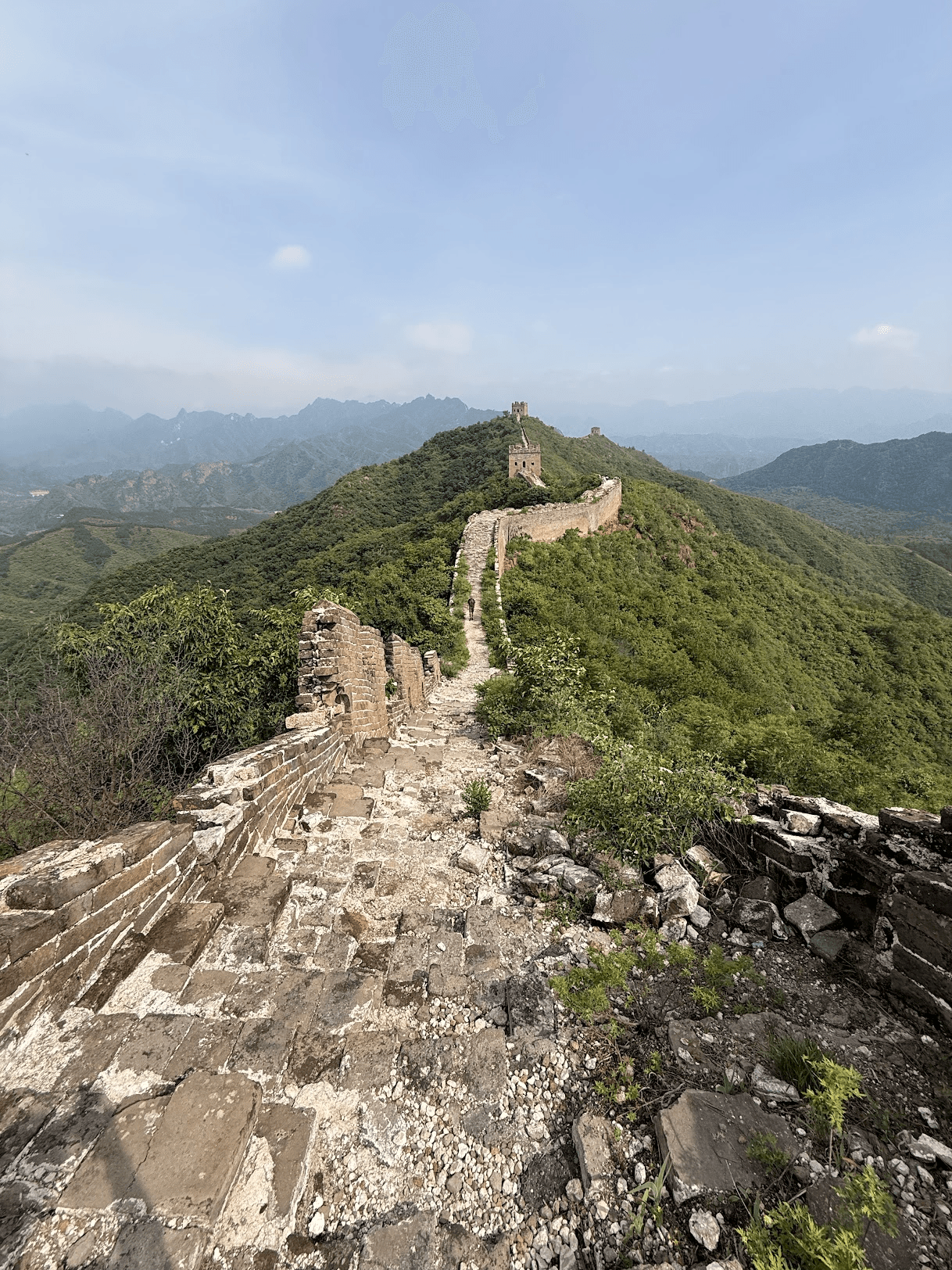
One Month in China
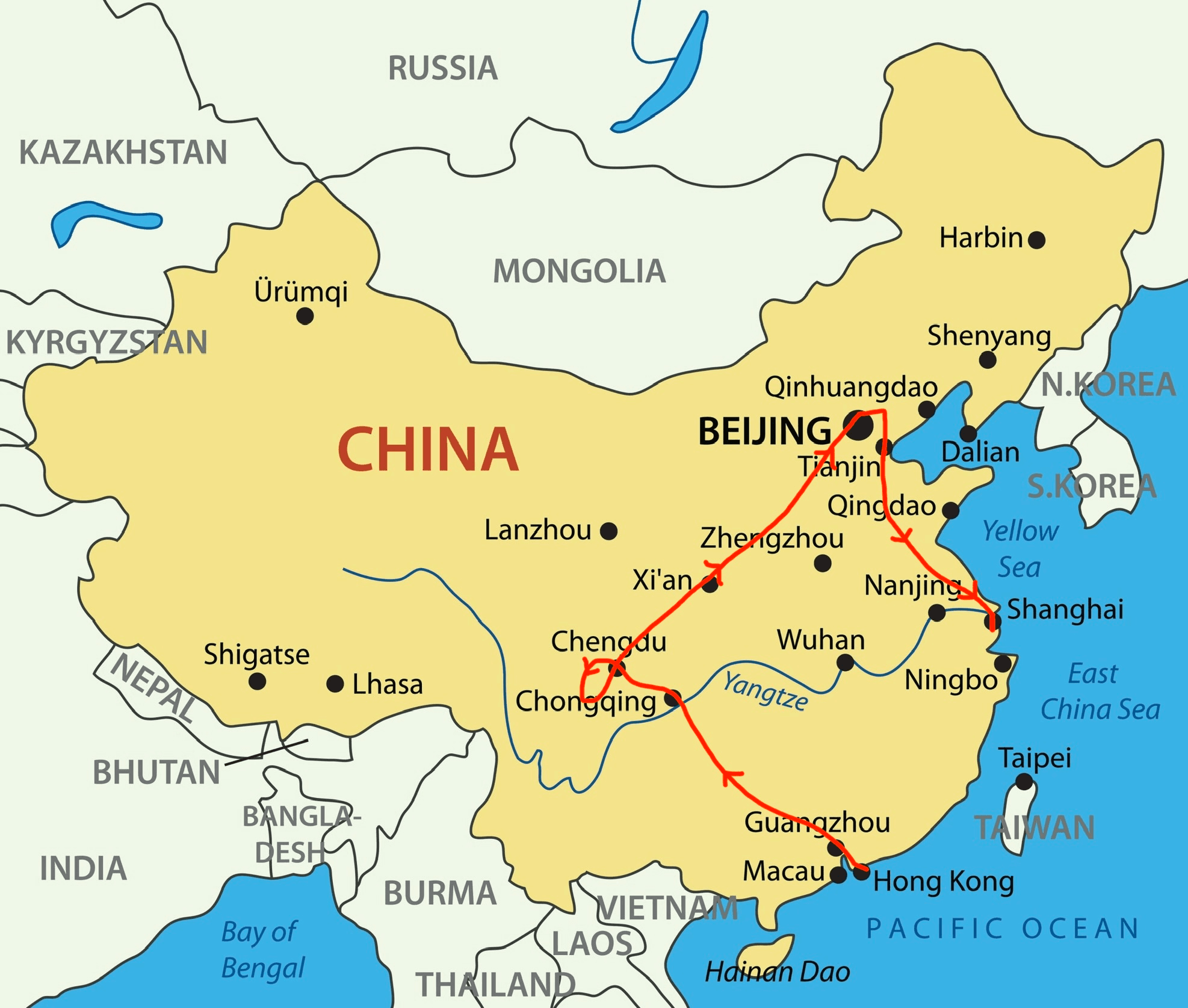
I just finished a month-long grad trip in China. After flying into Hong Kong, a friend and I took the HSR across China to visit Shenzhen, Guangzhou, Yangshuo, Chongqing, Chengdu, Western Sichuan, Xi'an, Beijing, Tianjin, Shanghai, and Hangzhou—in approximately that order. Below are some scattered observations.
Chinese urbanism is green and dense
I was very impressed with the urban infrastructure in China. Every tier 1 Chinese city we visited was incredibly well-connected with high-speed rail, metro, and lined with trees and parks. So many trees. Pollution outside of haziness was not really an issue. It never posed a health hazard based on AQI.
What is surprising is that China achieved this while remaining quite car-centric (boo). The avenues in Chinese megacities are gargantuan, stretching 8+ lanes and they are everywhere. In Shanghai, to cross one of these roads we had to take 3 elevated pedestrian crossings. Alongside all these cars are ridiculous numbers of rideshare bikes and mopeds sharing the street (and sidewalks).
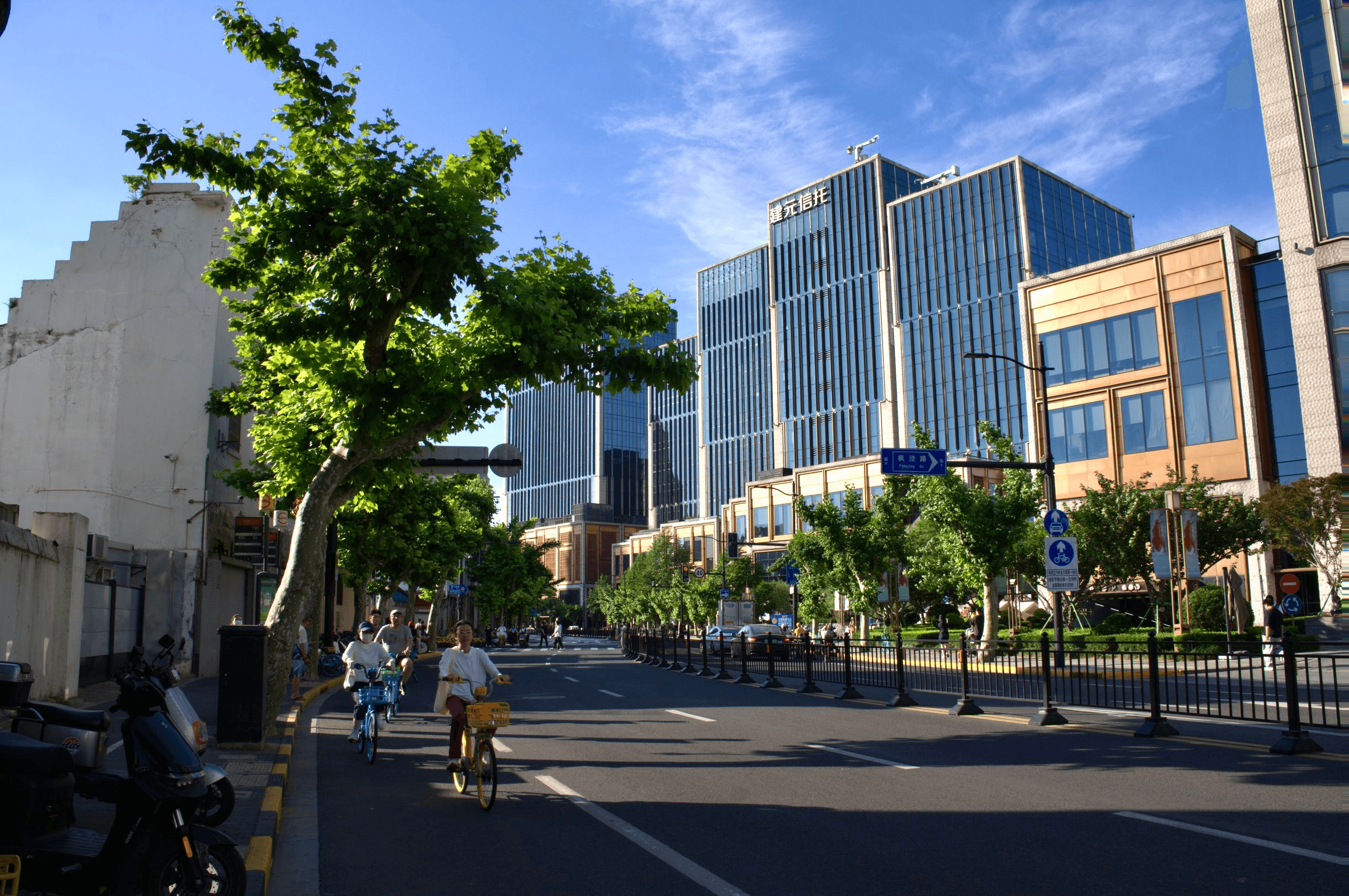 Shanghai, China
Like when I lived in Japan in 2023, I felt a twinge of indignation at having been robbed of such transit in North America, but I have largely made peace with it now. I think it's just the end result of having dense urban areas with millions of people. We in North America love to complain about the state of our public transit but tbh, we can't be asking for that much when we have thousands of square kilometres of single-family residential zoning, the bane of urban density. The Chinese would say 活该 (serves you right)!
It's pros and cons obviously. Not only are the roads scaled up, but the spaces between them too. It is very common in the big cities to see megablocks. These are city blocks the size of ~4 NYC-sized blocks, often with huge residential high-rise complexes between. It's like the exact opposite of what the average American suburb is. No joke it can take 10-15 minutes to walk the length of some megablocks.
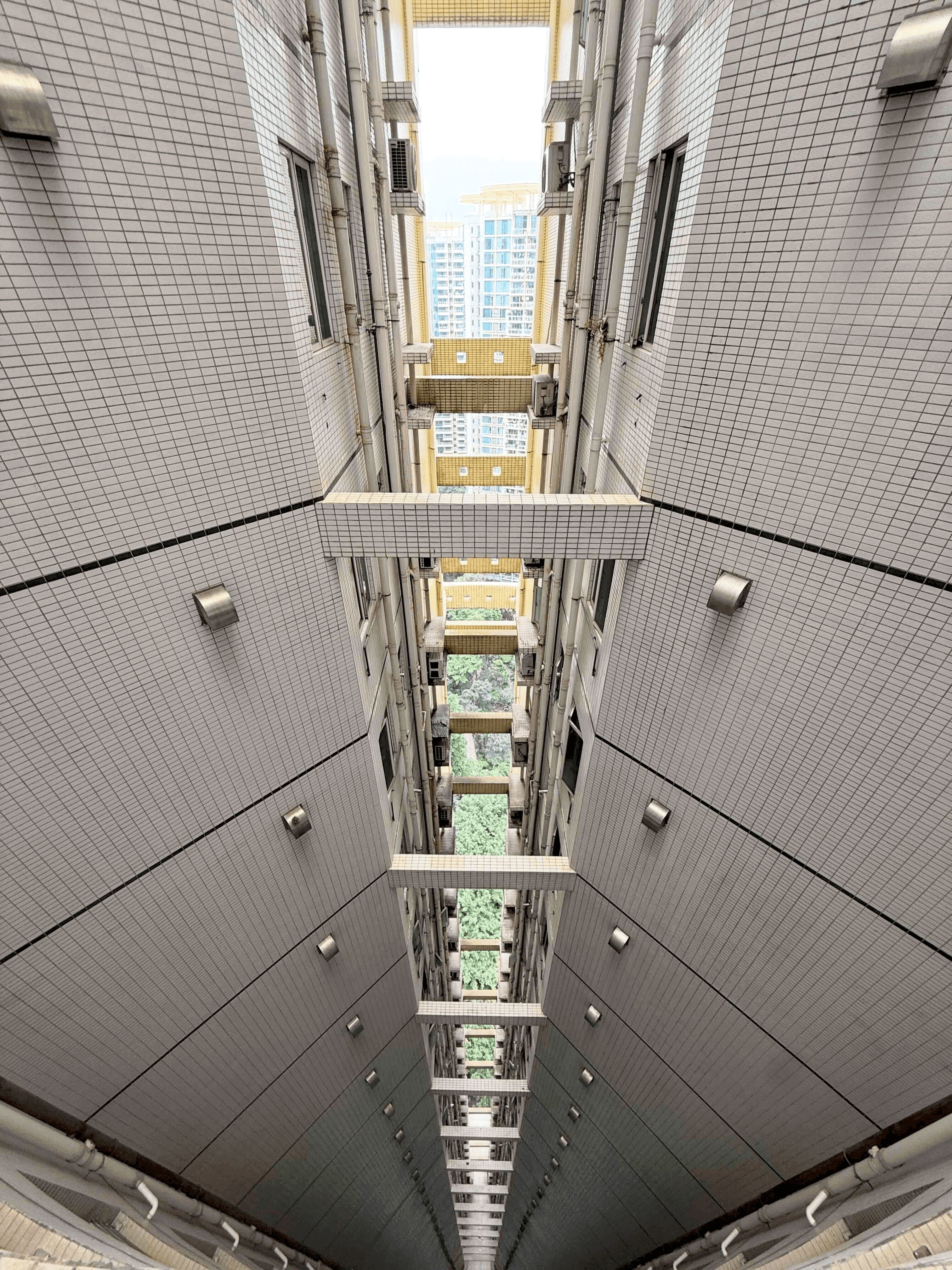 Guangzhou megablock complex
Still, life in the T1 cities is extremely convenient. There is an abundance of tasty food everywhere, Japanese-style convenience stores, and brutally low fares (and thus prices) for the gig workers on Didi (ride-hailing) or Meituan (delivery). The cities all felt extremely safe, with almost zero crime. Anyway, there were a trillion CCTV cameras to catch infractions either way. The cities are bereft of visible poverty: I saw a total of four homeless people across all the cities I visited.
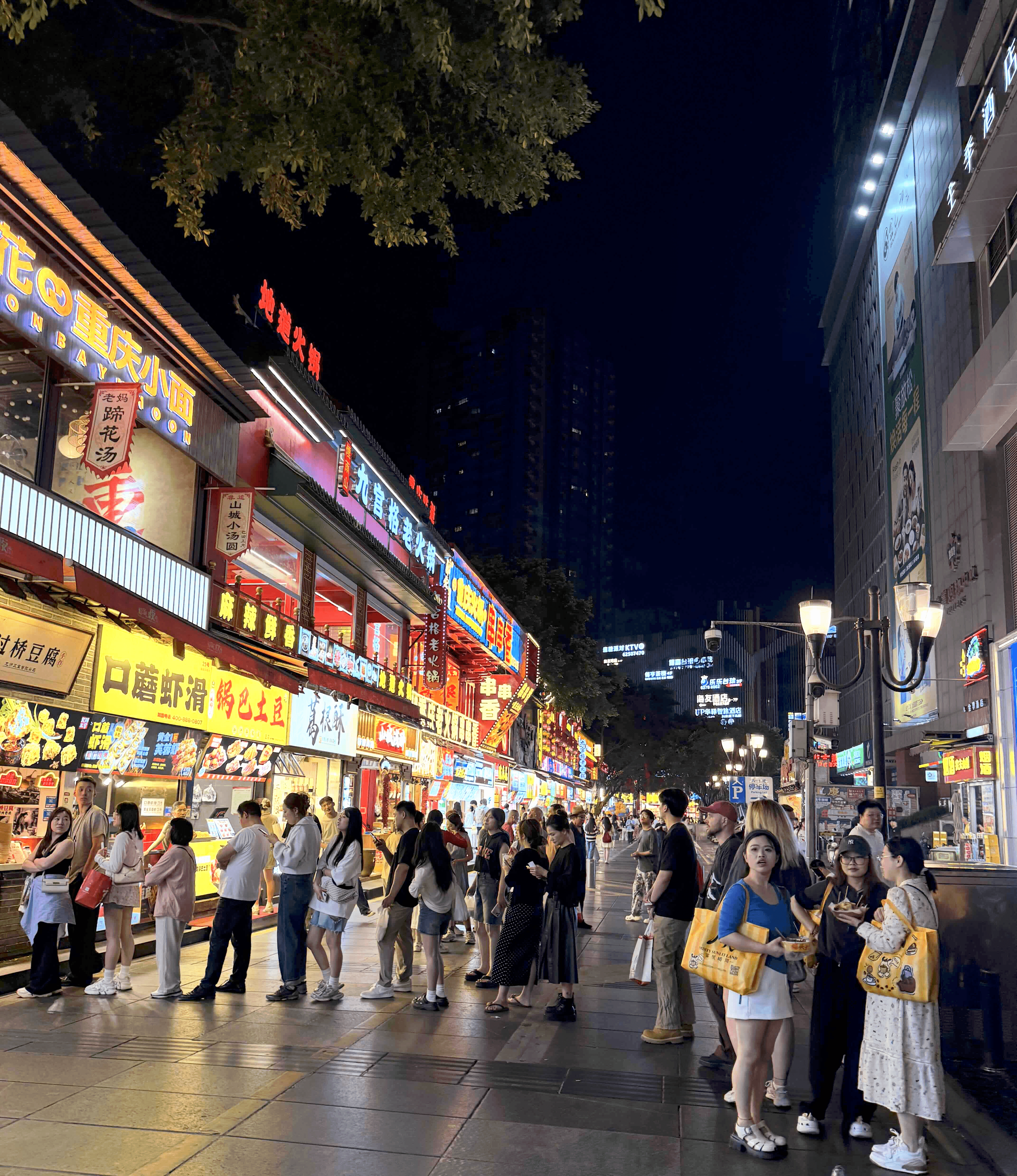
All the advertising in China is also turned up to the max. There are absolutely zero qualms about cramming every LED imaginable into gaudy neon store signs. And it's not just like that in one concentrated place like Times Square, it's everywhere. For some reason, a preferred method of advertising also seems to be with sound, either with a human repeating a set phrase or playing a loop on a speaker. Beware those easily overstimulated.
Uncle-maxxing
Old people are very conspicuous in China, regularly seen gathering in the public parks early in the morning to do tai chi, or during the day to do group dances. Sitting and chatting with their friends in noodle shops and tea houses. Clearing their throats and spitting with the infamous Chinese throat clearing sound.
I can't remember the last time I saw a large gathering of old people in Canada or the US. Old people seem hidden away and without much community support. Tbh life seems much better as an old person in China.
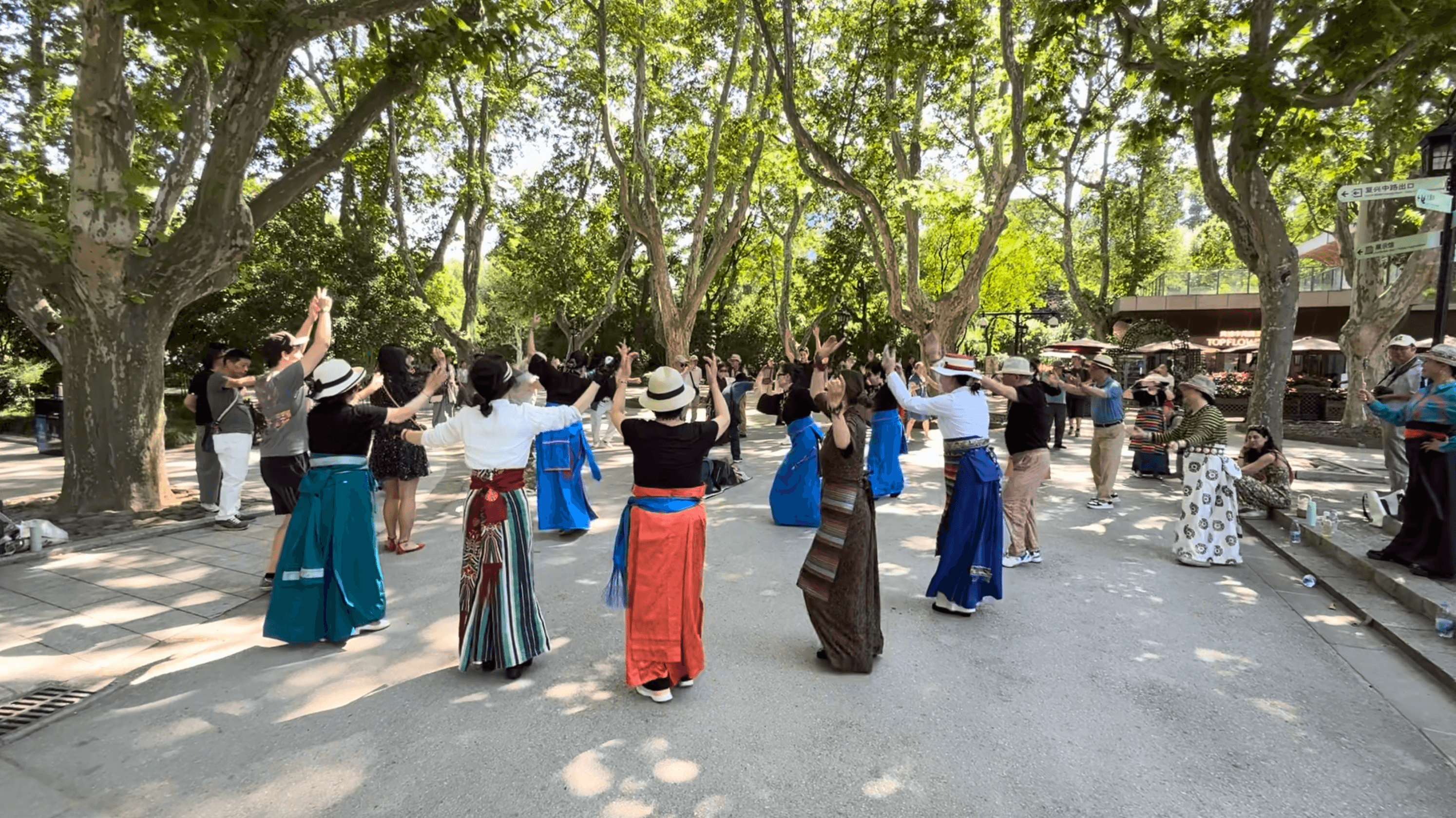 Joining a group of aunties to dance in Fuxing Park
Nobody malls like China... but also nobody malls in China
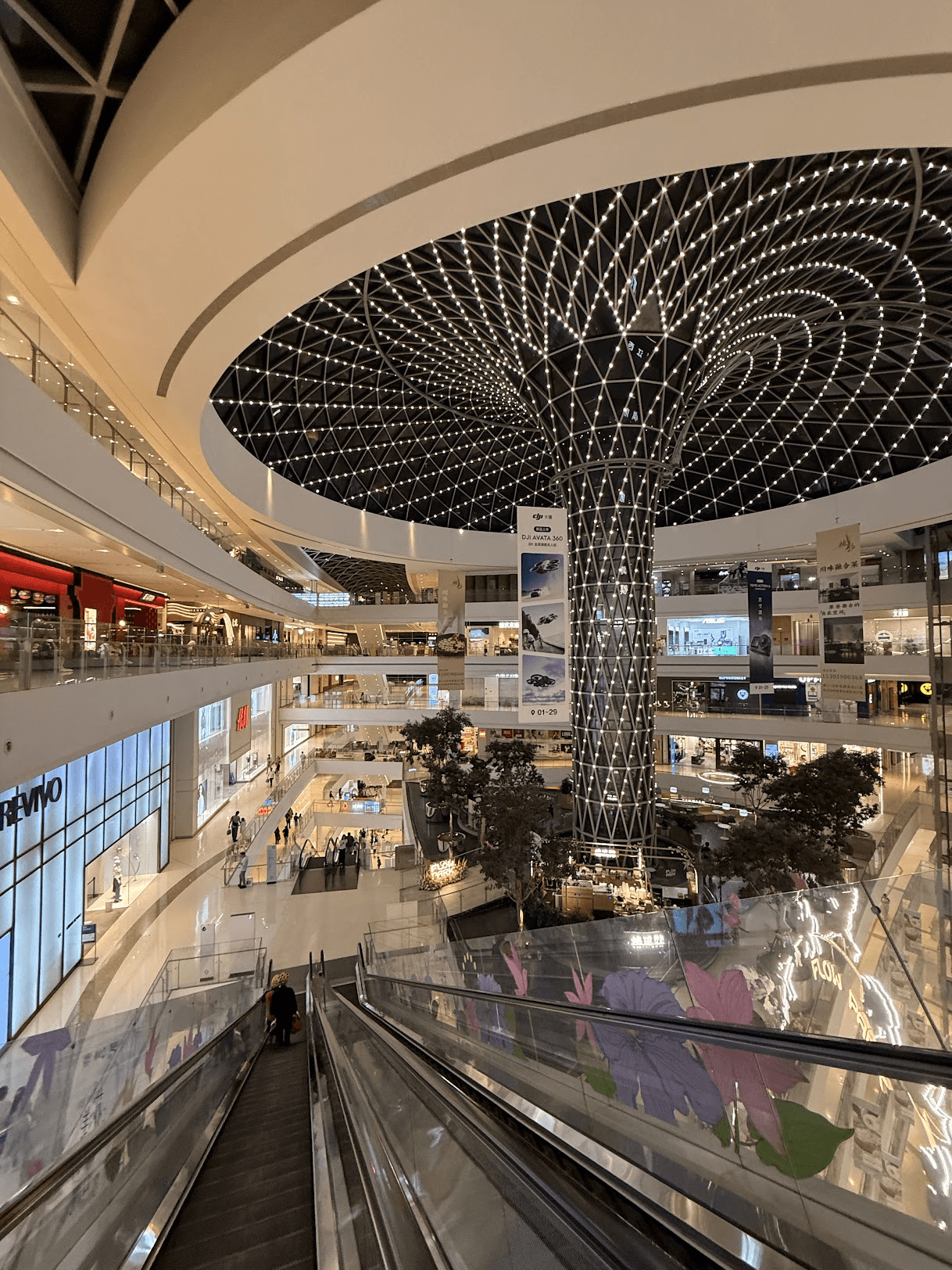
I was impressed by the modern and beautiful malls in China. New World City in Shanghai, for instance, randomly hosts the tallest indoor climbing wall in the world, which a friend and I summited for the steep price of 520 yuan (worth it).
But the malls felt super empty. I'm not sure if it's just because online shopping has taken off, but outside of the main pedestrian streets and night markets, the commercial districts feel very depopulated. All the malls I visited, even huge ones, felt like they were operating at 10-20% capacity.
I was surprised that so many random clothing shops I'd never heard of were still in business, considering there were never that many customers in them, but lots of employees. I believe the story goes that they were all built pre-pandemic and after COVID cratered retail, they never recovered.
Treat the government as you'd treat your parents
The government was pretty chill for most of the trip except when we went to Tiananmen Square and tried to take a photo doing the Usain bolt victory pose—as we had done in countless other places in China. Perhaps we got unlucky, but the security guard there apparently did not recognize this pose, and when explained what it was ordered us to delete the photos.
He then proceeded to go on a power trip, lecturing us in Mandarin about how if we were going to take photos we needed to take "proper photos" (according to who, based on what rules?), and asking if we could do such things in our own country in front of the Canadian parliament (you can). I quickly got a bad feeling that he was trying to ragebait us and since I was not about to single-handedly destroy the recent China-Canada diplomatic thaw, we decided the best course of action was to nod, stay silent, tell him he was right, and move on.
Somewhat shaken but totally unscathed, I reflected about it and thought that this experience was probably an allegory for how to interact with the Chinese government when things go south. That is, to treat it as you would your conservative Asian father, using the protocol I described above. I've had mostly neutral or slightly positive interactions otherwise, so this is likely an outlier. But the moral of the story is: there is no chill at Tiananmen Square.
Smoking is a scourge upon the nation
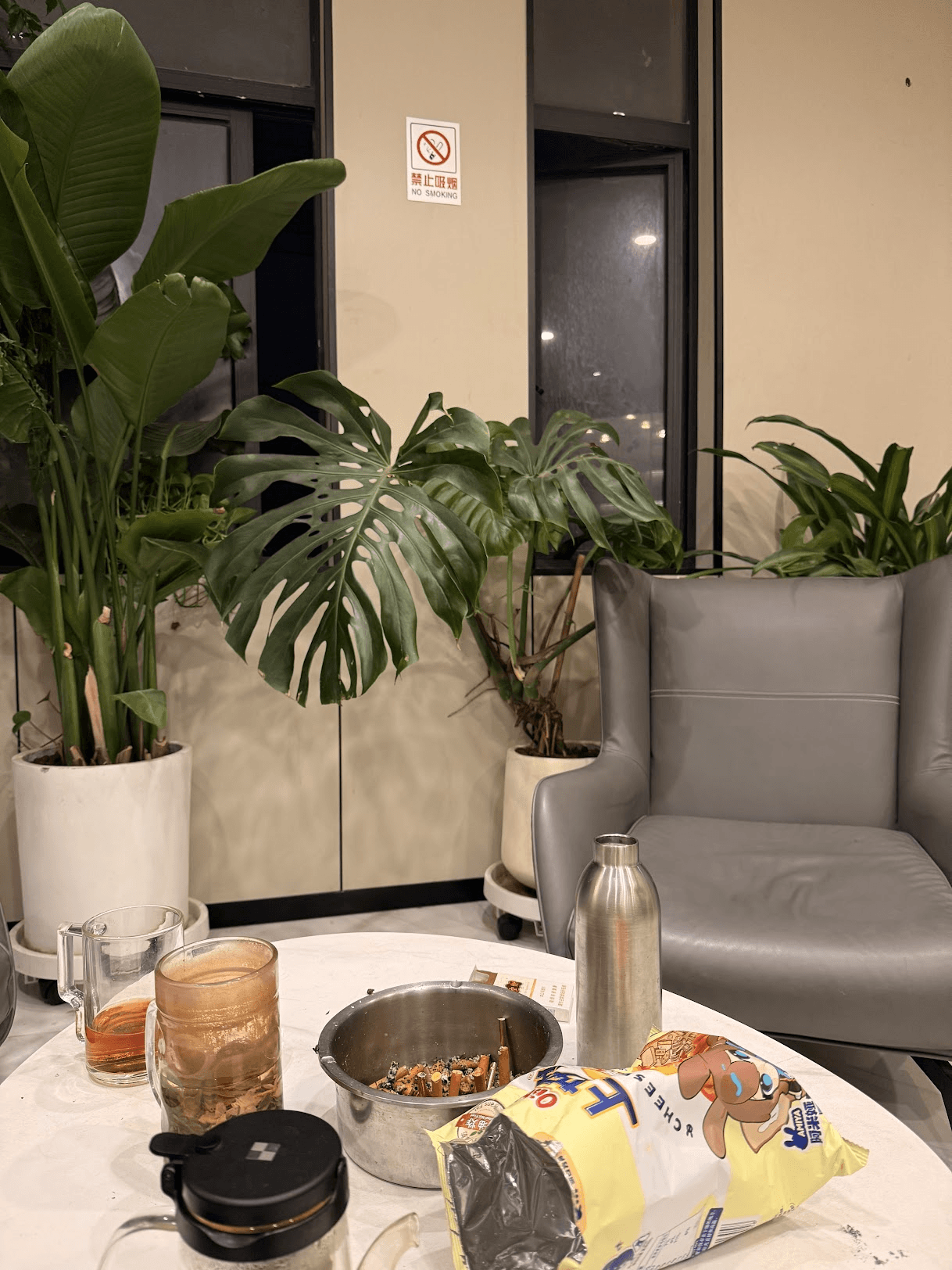
Despite this, my biggest problem with China is the incessant smoking. The smell of cigarette smoke is present in pretty much every populated public area. When not inhaled directly second-hand, it is third-hand from the smoke clinging to walls and ceilings, in washrooms, in train station halls. At least most restaurants are OK.
The result is that I was permanently suffering from low-grade DOT damage in China. People blatantly disregard no-smoking signs and enforcement is very lax, especially in washrooms. Here would be an excellent case for a top-down government initiative against the societal ills of smoking but alas such a thing is yet to come, and smoking is too ingrained in Chinese culture (even though it's literally a Western import).
Into the mountains
The one place you can escape cigarette smoke and what ended up being my favourite part of the trip was the four-day leg we spent in Western Sichuan. This is a place that sees so few foreigners we didn't see a single one during our four days.
We drove west enough to hit the eastern edge of the Tibetan plateau, drank Tibetan butter tea, and rode horses on the grassland at elevations of 3800m+. It was here, even in the remote Garzê Tibetan Autonomous Prefecture, that we found many fans of American basketball.
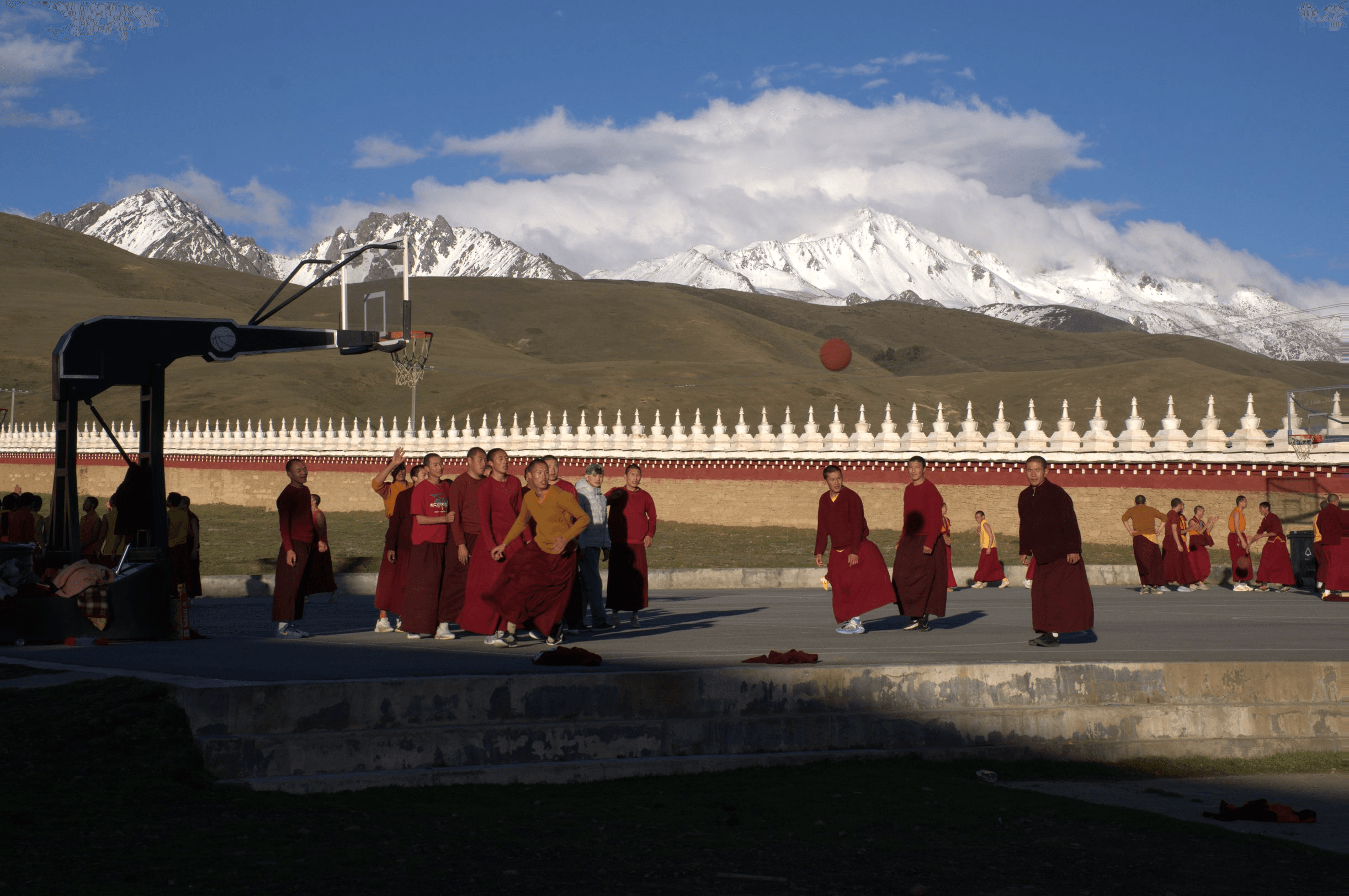
This included a Tibetan rancher who followed the NBA closely and nearly all the monks of the Muya Monastery, who gathered at sunset to play at courts literally built inside the walls of the monastery. China loves basketball.
Even out here, the infrastructure was high quality. Massive electric transmission towers stretched kilometres of wire over the mountains beside well-paved roads with the occasional yak crossing. Every house we visited had internet, running water, and electricity.
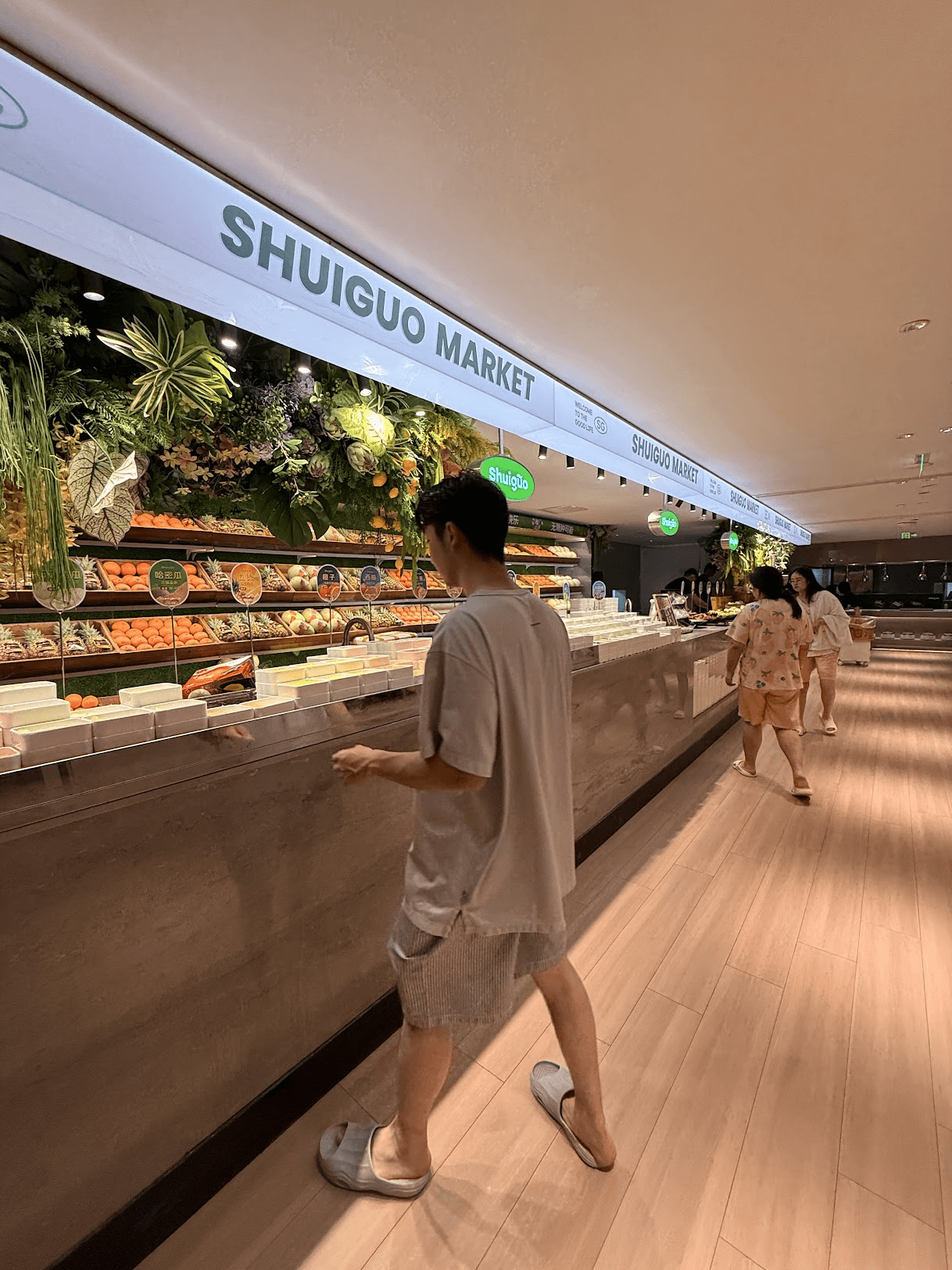
But if you want to truly experience what a post-abundance society feels like you should go to a 24/7 bathhouse in China. After a nice soak, you go to an area where there are unlimited drinks, food, ice cream, massages, and video games. People are stuffing themselves with seafood, lounging on beanbags, playing chess. It's a surreal experience that is so foreign it feels hedonistic.
Chinese software is hostile to foreigners
Chinese software seems to have very little interest in being friendly for foreigners. Everything is a WeChat mini program, which means it opens inside WeChat with its own UI, logic, and has native integration with stuff like WeChat pay / identity.
I could see the appeal of the mini programs, but unfortunately
the average software experience in China goes something like:
- > Open mini program
- > Can't read anything so using the shitty in-app translation
- > Hit rate limit on in-app translation
- > Log in to new app
- > "Your account has been locked due to suspicious fraudulent activity"
- > Click OK
- > Click "Verify documents"
- > Passport doesn't pass verification with generic error
- > Dead in the water
There is also a phenomenon we noticed where clicking the same button twice would sometimes have a different effect, or only succeed the second try. Software non-determinism like this is insane! I also feel that the apps are unnecessarily crowded and clickbaity, like the physical advertising. That may not be exclusive to China though.
A very Chinese time
It's an interesting experience to be ethnically Chinese and to speak good Mandarin, yet be a foreigner. At most places, if I speak in Chinese first, people assume I'm a local and ask for my 身份证 (Chinese identity card) first, and are surprised when greeted with a passport. If I speak in English first, they think Korean or... Thai apparently.
In truth my Chinese is middle schooler level. It sounds native, but the vocabulary is shit. Maybe because Chinese is a hard tonal language and because few foreigners care to learn it well, just being able to hold a conversation leads to many compliments. I hold that speaking someone's native tongue is a highway to their heart.
My gut at least is definitely not Chinese. I tried Chongqing hot pot at the lowest spice level and it was still unbearable. While eating it, my friend and I both lost feeling in our hands and face. We were then relegated to 1.5 days on the toilet. You have been warned.
You may have heard of the "in a very Chinese time in my life" memes. After years of pretty terrible rep since COVID, China and Chinese culture are finally getting some soft power points. I think it's warranted. The grad trip here was not always the smoothest, but I think it was much more rewarding than going down the beaten paths of Japan, Thailand. If I were to run it back, I would only trade more big city time for nature time.